

Why Marine Plywood Is a Must for UAE Waterfront Projects

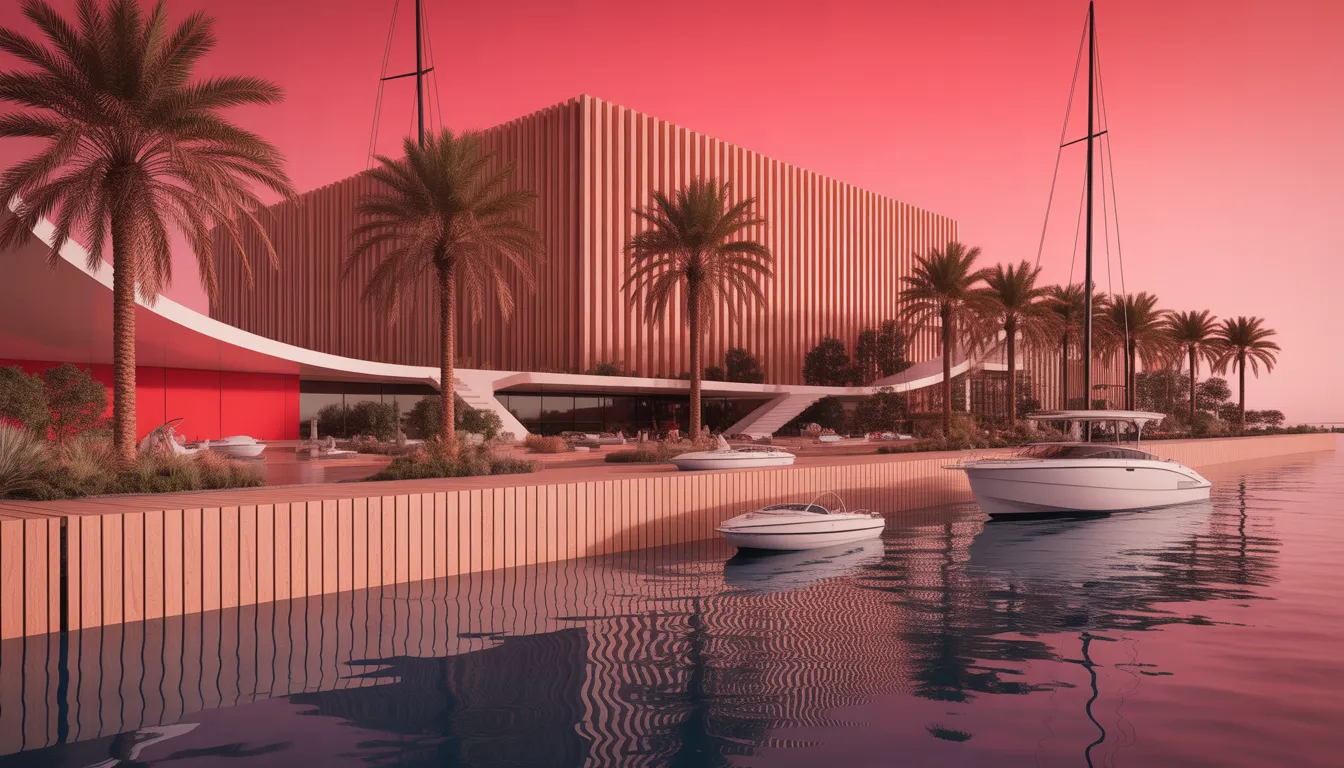
- Key Takeaways
- Understanding marine plywood
- Why marine plywood is essential for the UAE
- Local waterfront applications
- Selecting the right sheet
- Beyond the build: A sustainable choice
- Protecting your investment
- Conclusion
- Frequently Asked Questions
- What makes marine plywood different from regular plywood?
- Can marine plywood be used outdoors in the U.S.?
- Is marine plywood safe for building boats?
- How do I choose the right thickness of marine plywood?
- Is marine plywood environmentally friendly?
- How should I protect marine plywood after installation?
- Where can I buy marine plywood in the United States?
Key Takeaways
- Marine plywood is designed to withstand water, moisture, and severe weather unlike any other plywood, which makes it perfect here in the U.S. for building on the water and outside.
- Selecting marine plywood can avoid structural issues resulting from moisture, insects, and salt exposure, particularly in coastal and humid regions.
- Our certified, superior marine plywood from reliable sources extends the life and safety of your marina decking, boat building, and outdoor projects.
- Testing for core and veneer quality prior to buying guarantees that the plywood will hold up in tough situations and heavy wear.
- Sealing and maintenance will go a long way to maximize the investment in marine plywood and minimize the costs of repair over time.
- Marine plywood promotes sustainable construction and green architecture, providing resilience and environmental responsibility in coastal projects.
Marine plywood is wood panel construction designed for utilization in wet or damp locales, such as boat building and outdoor constructions.
Constructed with waterproof glue and durable wood varieties such as Douglas fir or Okoume, marine plywood is highly resistant to water and weather.
It’s used a lot by builders here in the US for decks, docks, and bathrooms.
To assist with choosing the appropriate type and grade, the following sections provide a detailed breakdown.
Understanding marine plywood
Marine plywood is a resilient wood panel designed to resist water, moisture, and harsh weather conditions. It’s constructed of durable woods such as Douglas Fir, Teak, or Meranti, which are excellent choices for marine applications. These woods don’t rot fast and make the plywood last a really long time, even when wet. That’s what makes marine plywood such a great choice for boats, decks, and outdoor structures.
The big difference between marine plywood and standard plywood is how it deals with water. It employs a special glue that bonds the layers even when wet. Normal plywood uses glue that loosens up when wet, but marine plywood’s bond is substantially more tenacious and prevents the full sheet from disintegrating.
The plywood itself is composed of a minimum of five thin layers, known as veneers, all hardwood. Each veneer is approximately 1/16 inch to 1/8 inch thick. These layers are piled so that the grain of the wood runs in different directions to prevent warping and provide additional strength.
Marine ply comes in multiple grades, including okoume marine grade plywood. These grades indicate how smooth, strong, and void-free the plywood is. It’s crucial to select the appropriate grade for the task because each suits different requirements and costs.
The manufacturing process is important as well. The sheets are pressed with intense heat and waterproof glue, then tested to such standards as IS 710. Certain brands undergo third-party inspection to guarantee the wood is to standard.
| Grade | Face/Back Quality | Use Case | Cost |
|---|---|---|---|
| A-A | Smooth both sides | High-end projects | Highest |
| A-B | One smooth, one solid | General use | Medium |
| B-B | Solid both sides | Structure, hidden | Lower |
Treated and maintained, marine plywood is two to three times more durable than conventional plywood, making it a wise and proven option for various applications. This durability is particularly beneficial for nautical uses, where performance plywood is essential.
Treated and maintained, marine plywood is two to three times more durable than conventional plywood, a wise and proven option.
Why marine plywood is essential for the UAE
Marine plywood, especially okoume marine grade plywood, takes center stage in the UAE. Humidity, salinity, and heat all take a toll on the built environment. This waterproof wood shines as a must-have material for waterfront projects, boat construction, and outdoor structures. Its durability and performance make it a great fit for local codes, ensuring that wood structures remain secure and prolong project life in harsh environments.
1. Defeats humidity
Marine plywood’s waterproof glue helps prevent water from saturating the wood, which makes it a better fit for the UAE’s humid air than regular plywood. Ordinary plywood swells, warps and deteriorates when exposed to moisture. Marine plywood remains flat, dry and strong.
For cities such as Dubai or Abu Dhabi where humidity is rising, this equates to decks and docks that stand the test of time. It is constructed to allow ventilation, reducing the chance of mildew and rot—a huge factor for residences and commercial property located adjacent to the coast.
2. Resists salinity
Saltwater is harsh on most things, but marine plywood is designed to withstand it. It uses select hardwoods and waterproof glue that salt can’t degrade. In the UAE, where salt air and water are a fact of life, builders turn to marine plywood for piers, jetties, and outdoor furniture.
Third-party labs test marine plywood for salt resistance, ensuring it maintains its shape and strength after days in salt spray. That translates into less repair work and longer-lasting projects.
3. Withstands heat
Marine plywood can handle the high temperatures of the UAE. Its powerful glues and compact layers allow it to maintain its form even under the blistering sun. Sunlight and heat won’t make it warp or crack as quickly as other woods.
When you use it for outdoor seating, pergolas or sun decks, marine plywood takes the heat and remains safe. Sealing that ply adds extra heat protection, locking out sun and sand.
4. Ensures strength
The construction of marine plywood, laminated and gap-free layers, provides it with more durability than standard plywood. That’s why it can support more weight and endure pressure from wind or waves.
Take the UAE for example, where countless structures feature marine plywood for framing or flooring, particularly in proximity to water. Its power protects roofs, docks and bridges and extends the life of projects even in areas exposed to harsh conditions.
5. Deters pests
Marine plywood is treated to keep out bugs and such that grow in warm, wet environments. That’s key for the UAE, where termites and other bugs can wreak havoc. Using pest-resistant plywood in marinas or exposed areas reduces repair work later on.
Over time, this helps keep buildings safe and the air healthy for people living and working nearby.
Local waterfront applications
That’s why marine plywood is so prized in local waterfront applications here in the U.S. For its strength, water resistance, and durability in rough weather. It’s for marina decking, creek-side joinery, boat building — even villa exteriors. These ventures require solid stuff that stands in salt water, heat, and sun.
Local codes may require BS 1088 or IS 710 marine plywood to ensure good performance. Options such as ¾ inch and ½ inch thicknesses are standard, and wood type does have a say in fighting off rot and decay.
Marina decking
With marine plywood for waterfront decks, it’s all hard and firm! It withstands splashing, rain, and sun, protecting your feet and making it safer to walk. The surface is hard, and it doesn’t bend like inexpensive lumber.
Because it is flexible, it can be adapted to fit curved walkways or customized dock designs. Given the proper sealant, it requires less fixing than the alternatives, saving maintenance hours and expense. Proper sealing keeps the noise from delaminating and prolongs its service life.
Creek-side joinery
In creek-side locations, marine plywood holds up beautifully for benches, railings, or outdoor cabinets. Good water resistance is a must because these features are literally right by the water. It feels organic, with gardens and beaches.
Robust timber connections mean less stress about post-storm or flood repairs. With maintenance and sealing, these installations last longer, reducing replacements.
Dhow construction
Marine plywood was previously the stuff of boat makers for dhows and small crafts. Its reduced weight renders boats easier to construct and navigate. Tough plywood resists splashing and sun, extending the life of your boats.
The plywood tradition connects to local waterfront heritage and preserves old craftsmanship through modern mediums.
Villa exteriors
Waterfront villa walls, siding and accents of marine plywood. It takes wind, salt and sun and doesn’t lose its shape or style. Homes conserve; plywood is its own basic insulation.
Homeowners may select finishes or shapes that fit their style, providing more design choices. This combination of rugged and handsome suits contemporary beachfront lifestyles.
Selecting the right sheet

When it comes to picking out the perfect marine plywood sheet, especially okoume marine grade plywood, it’s about checking for quality, standards, and appropriateness to the project. In the U.S., buyers need to weigh several factors.
- Supplier reputation and track record
- Exterior or Exterior Grade label
- Plywood thickness (9mm and up for better uniformity)
- A-A or A-B grade veneer choice
- Compliance with BS 1088 or similar standards
- Core type: solid vs. composite
- Veneer quality and assembly (sliced or full-width)
- Factory balancing to avoid warping
- Reliable certification and accurate labeling
Check the standard
Exterior or exterior grade, AA or AB, and BS 1088 – if the product says so it should be on your checklist for compliance. Make sure you buy from reputable suppliers. There are instances where plywood marked BS 1088 is not actually up to standard.
Tropical hardwoods like okoume and meranti have BS 1088 certification as well, yet the stamp alone is not to be trusted. Of course, never take their word; request paperwork. They are important because they establish baseline requirements for glue bonds, veneer thickness, and moisture resistance, all of which affect plywood’s performance after it is installed.
Infamously certified plywood will cause collapses and expensive repairs later.
Inspect the core
Checking the core is essential. Solid cores consist of full sheets of wood with no voids. Composite cores can contain patches or fillers. Solid-core panels, which are more durable, hold up longer in wet conditions.
EXAMINE THE CORE: view at the sheet’s edge for voids, gaps, or plug patches. Steer clear of panels that are airy or echo to a tap; they are likely to warp or delaminate. A visual check translates to seeking even grain and tightly packed plies. Wobbly panels, even if “balanced,” warp under strain.
Know the veneer
Veneer thickness is important, as thin veneers are more prone to blister or peel, particularly in marine environments. Top veneers, particularly A-A grade on both faces, look better and endure longer.
Sliced veneers come from thinner strips sliced from a split log. These can have more seams and aren’t as durable as full-width face veneers. When choosing a veneer, pair the grade and thickness to the task. A-B grade works well for less prominent surfaces, but A-A is preferable for exposed areas.
For veneer quality, check with your own eyes and fingers because the stamp doesn’t necessarily guarantee grade.
Beyond the build: A sustainable choice

Marine plywood is so much more to me than just strength and water resistance. It’s this turn to green building that is putting it on the map in the construction world. Today, builders, homeowners, and even city planners are seeking out marine plywood suppliers and materials that do less damage to the planet, making marine plywood an essential choice in this shift.
Crafted of wood from managed forests certified for best practices, it frequently incorporates low-VOC glues that reduce interior air toxins. Longer lasting than ordinary plywood, its replacement is less often necessary. Marine plywood is constructed to withstand wear and tear, ensuring you have less garbage down the road. A few brands even trace their wood from forest to full sheets, so purchasers know exactly what they’re consuming. Back to the future: A second chance for our children.
Sourcing responsibly is everything. Most makers collaborate with organizations that examine forests for vigorous development, intelligent harvesting and ethical labor. This helps keep forests alive for the next generation of builders. In the USA, restrictions on where and how lumber can be harvested seek to safeguard the land and its inhabitants.
Eco-friendly waterfront projects rely on marine plywood because it resists water, wind, and weathering. In regions like the UAE, where massive waterfront projects are prevalent, there is an increasing demand for land-friendly, responsibly sourced standard plywood products. New adhesives make these boards even more durable, so they hold up longer on docks, boardwalks, and piers, reducing waste and repair requests.
Green plywood’s initial cost can be higher. Its longevity and lower maintenance cost generally make it the better value. As more Americans and others demand clean, safe building materials, marine plywood is certain to remain popular.
Protecting your investment
Marine plywood is a superior option for endeavors subject to extreme weather, prolonged exposure to water, or rough treatment. Because of its solid construction, hand-sanded finish, and high-quality hardwood veneers, it stands up to daily abuse better than most woods. For those by the coast or with waterfront property in locations like LA, this quality counts. It preserves your investment, and good marine plywood even carries warranties that provide peace of mind. The waterproof qualities of marine plywood make it ideal for various applications.
To ensure the longevity of marine plywood, always seal all sides and edges with a good marine-grade varnish, epoxy, or polyurethane! Concentrate on end grain and joints, where water is the quickest to infiltrate. Take, for instance, boat builders and their reliance on multiple coats of clear epoxy to lock out water, ensuring a reliable waterproof wood structure.
When selecting marine plywood, look for smooth, sanded surfaces and steer clear of plywood with deep cracks or blemishes. Better quality veneers crafted with hardwoods and water-resistant glue remain adhered longer and more effectively keep out moisture. This is particularly true for okoume marine grade plywood, which is known for its excellent performance in marine applications.
Utilize stainless steel or coated fasteners to connect marine ply. These won’t rust or stain the wood, helping keep that plywood in tip-top shape.
It’s also important to monitor the plywood and reseal it at least every couple of years, more often if exposed to sun, salt water, or heavy rain. Basic cleaning and resealing will extend its life to 15 to 25 years, even in rough areas such as docks or boat decks.
Marine plywood is more expensive initially, but it defeats water, fungi, termites and rot much better than regular plywood. This means less repair, less replacement and more savings over the years.
For owners, marine plywood in decks, docks and boathouses increases the value and allure of their shoreline properties. Proven durability and less concern about wear and tear make it a wise investment for any hard use project.
Conclusion
To sum it up, marine plywood is a reliable choice for any waterfront project in the UAE. It stands tough to heat, salt, and moisture. People employ it for docks, boats, or beach decks precisely because it endures and is aesthetically pleasing. The correct sheet can prevent headaches and expenses later on. Local builders dig it because it holds them tight in hanging weather. Well maintained, it looks sharp and works hard for years. For anyone starting a new build or a fix by the water, marine plywood offers peace of mind. Looking to squeeze the most from your next project? Go local and see how marine ply can fit your plans.
Frequently Asked Questions
What makes marine plywood different from regular plywood?
Marine plywood, such as okoume marine grade plywood, utilizes the best waterproof glue and equal veneer thickness layers of wood, ensuring strength and rot resistance even when exposed to moisture by a body of water.
Can marine plywood be used outdoors in the U.S.?
Indeed, marine ply is perfect for outdoor work. It is moisture resistant and weathers beautifully, so it is great for decks, docks, and boats here in the U.S.
Is marine plywood safe for building boats?
Definitely. Marine plywood, particularly okoume marine grade plywood, is designed for boats. Its waterproof qualities and resilient wood layers help stop warping and delamination, ensuring boats remain secure and strong.
How do I choose the right thickness of marine plywood?
Choose the veneer thickness based on your project requirements. When used as flooring or boat decks, thicker okoume plywood boards like 3/4″ provide more strength for marine applications.
Is marine plywood environmentally friendly?
Yep, a lot of manufacturers use sustainably sourced wood and green glues. Watch for certification labels to ensure your marine plywood is environment-certified and meets standards for waterproof qualities.
How should I protect marine plywood after installation?
Seal all edges and surfaces of your okoume marine grade plywood with a good marine-grade finish or paint to enhance its waterproof qualities and prolong its life.
Where can I buy marine plywood in the United States?
Marine plywood, including okoume marine grade plywood, can be found at most big box hardware stores, lumber yards, and specialty suppliers throughout the U.S. Just be sure to request certified marine-grade plywood.