

Finishing Touch: Melamine and HPL Laminates on Particle Board

- Key Takeaways
- The core benefits of melamine faced chipboard
- Understanding the manufacturing process
- Melamine faced chipboard versus HPL
- Smart applications in modern spaces
- A deeper look at material selection
- Sustainability and safety standards
- Conclusion
- Frequently Asked Questions
- What is melamine faced chipboard?
- What are the main benefits of melamine faced chipboard?
- How is melamine faced chipboard manufactured?
- How does melamine faced chipboard compare to HPL?
- Where is melamine faced chipboard commonly used?
- Is melamine faced chipboard safe and environmentally friendly?
- What should I consider when selecting melamine faced chipboard?
Key Takeaways
- Melamine faced chipboard is an inexpensive furniture and interior design medium, which means it is available for huge, low-budget projects.
- The melamine faced chipboard material supplies a diverse selection of finishes, colors and textures, offering design flexibility in both home and office environments.
- Its resilient surface resists scratches, stains, and moisture and therefore performs well in high-traffic and easily wiped clean environments.
- Stable quality and uniformity in production aid in delivering dependable performance and a seamless look throughout work.
- Easy care and hygienic finishes help facilitate active use in bustling environments.
- Selecting melamine faced chipboard promotes healthy building, with choices that meet current fire and ecological requirements.
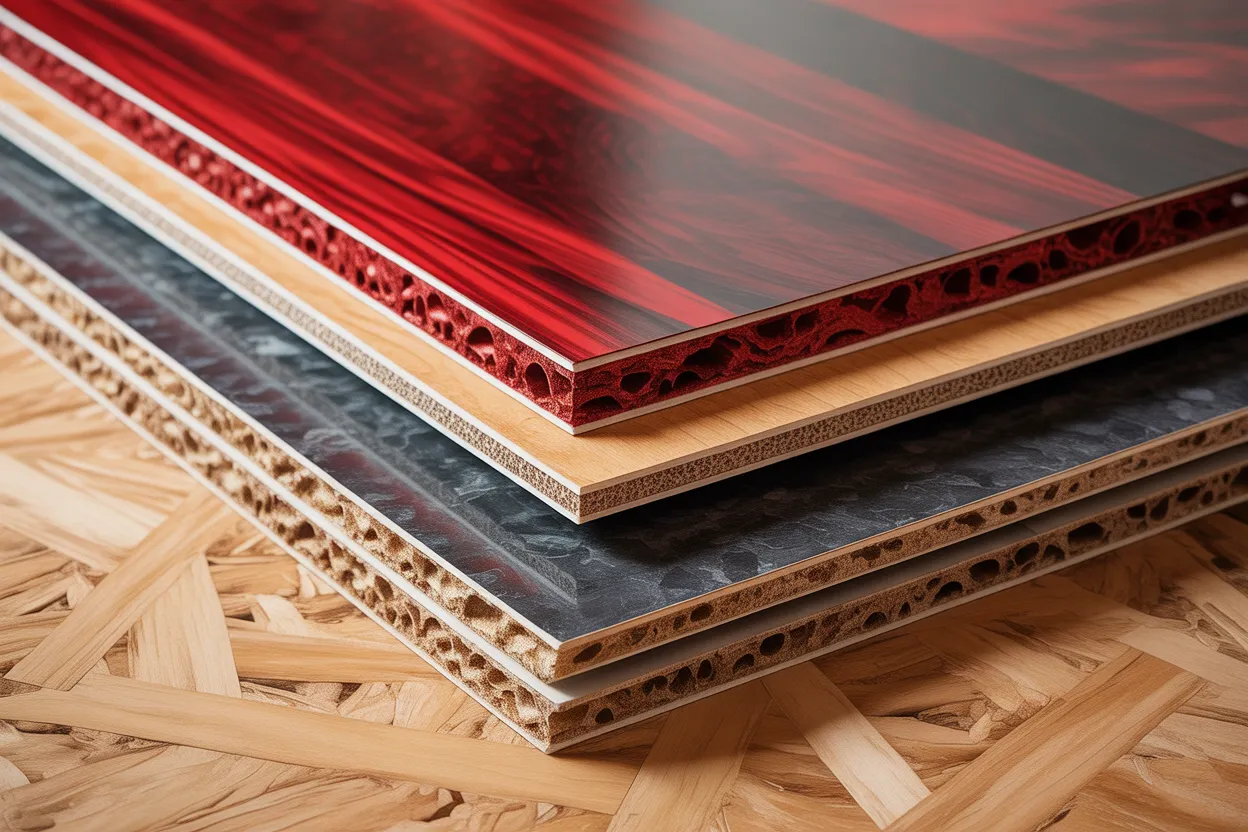
Melamine faced chipboard is particle board with a thin coating of melamine on top. This surface imparts the board with a hard, smooth finish that resists scratches and stains.
Common in furniture, cabinets, and shelving, it provides an economical substitute to solid wood. Melamine faced chipboard, with lots of color and texture options, works for a wide variety of home and office applications.
The second section lists features and benefits.
The core benefits of melamine faced chipboard
Melamine faced chipboard, a popular material in residential furniture and interior design, is one of the most pragmatic and useful materials in our homes, offices, and public spaces around the globe. Recognized for its ideal combination of beauty, durability, and affordability, it provides answers to all your reliable building and design needs.
1. Cost efficiency
So, melamine chipboard is significantly cheaper than solid wood or HPL, which makes it a great budget furniture and interiors material. The production is very efficient, which helps to keep costs down. These savings appear in retail prices, so consumers pay less without sacrificing quality.
For contractors working on big jobs, the budget-friendly nature of melamine faced chipboard usually translates to additional wiggle room to spend on other materials or design elements. Its strength and minimal upkeep translate to less fixing and swapping down the line, making it a savvy long-term choice.
2. Design versatility
Design possibilities are expansive with melamine faced chipboard. It is available in a wide range of colors, patterns, and textures, enabling matching with nearly any style, from minimalist to bold. It can impersonate the natural grain of oak, maple, or walnut without the expense, so designers can deliver high-end looks on a budget.
Custom finishes and unique patterns are feasible, offering options for personal or commercial spaces. This explains its appeal for furniture, shelving, cabinets, and even wall panels. This flexibility in design allows spaces to be refreshed or matched to brand identities, particularly for offices, hotels, or retail settings.
3. Surface durability
The melamine faced chipboard surface layer resists daily abuse. It resists scratches, a crucial feature for desks, tables, and shelving in high-traffic areas. The non-porous finish guards against moisture and stains, so it even functions in kitchens and bathrooms where spills abound.
Maintenance is a breeze; just a damp cloth maintains that new look. The melamine coating protects against knocks and daily dings, so the surface maintains its form and appearance even after years of wear.
4. Consistent quality
One sheet at a time, melamine faced chipboard is crafted to exacting specifications. Thickness and finish remain consistent from batch to batch, which is great for projects requiring an even appearance. Being a manufactured product, process controls ensure that it has fewer defects than natural wood, which has knots or warps.
This uniformity is crucial for big installations, such as offices or schools, where a consistent aesthetic has to be maintained.
5. Easy maintenance
Its daily care is simple. A sweep with a damp cloth cleans away dust and spills. It doesn’t stain easily, meaning there’s no sanding or refinishing necessary. Its non-porous nature inhibits bacteria growth, rendering it ideal for kitchens or hospital environments.
Low maintenance means that it saves you time, particularly in high traffic areas where clean-up must be fast.
Understanding the manufacturing process
Melamine faced chipboard, or MFC, is created by compressing wood particles into sheets under high pressure and then overlaying them with a hard melamine laminate surface. This process turns MFC into an extremely hard, economical solution for a variety of applications, such as wardrobes, shelves, and tables. MFC provides a combination of durability, moisture resistance, and flexibility that aligns perfectly with modern designs in furniture manufacturing.
Although solid wood is the gold standard for some, melamine chipboards offer genuine advantages, particularly in high-traffic environments or where affordability is key.
The process begins with collecting woodchips, largely sourced from scrap timber, which aids in reducing waste. These chips are separated by size and blended with glue to create a base. The glue helps stick the chips together, creating a dense core that is durable enough for everyday wear and tear.
Next, these chips pass through high pressure machines. The chips and glue mix is pressed into giant, flat sheets. This step is crucial for achieving a strong, uniform foundation. The heat and pressure fuse everything tightly, making the board strong and later stages easier.
Then we get to the heart of it, introducing the melamine resin. Melamine is a unique plastic that resists water, stains, and everyday wear. The resin is applied to the chipboard in a thin sheet or film. It is queued to match the board’s dimensions.
The chipboard and melamine layer are pressed again with high heat and pressure this time. This stage melts the resin just enough to grip firmly to the board. The quality of manufacturing counts too. Good heat and the right glue ensure that the melamine won’t peel or bubble up down the road.
After being bonded, the boards cool and are cut into size. Computerized machines cut with such precision that each board is custom suited to your project requirements. This degree of control implies MFC is applicable to custom work, from kitchen counters to office desks.
A huge part of the process is quality control. Each board is inspected for cracks, bubbles, or weak spots. Only boards that pass these tests go on to packing. This attention to quality translates to the melamine boards being durable even in high-use areas such as kitchens or schools.
With proper care, MFC can remain fit for 10 years or longer. Some recent tech advances help make this process faster and more precise. Digital sensors, laser cutters, and modern glue systems are all involved. This tech allows producers to maintain low costs and high quality.
Melamine faced chipboard versus HPL

MFC and HPL are both very widely used in interior design, but they cater to different requirements. Their longevity, price, and aesthetics can influence which melamine chipboard suits a project best. The table below highlights their main differences.
Aspect | Melamine Faced Chipboard | High-Pressure Laminate (HPL) |
|---|---|---|
Durability | Moderate resistance to wear, hardness ~2144 psi | High resistance to scratches, abrasion, moisture, and impact |
Cost | More affordable | Higher price due to complex manufacturing |
Application Scope | Best for vertical and light-duty uses; not ideal for horizontal surfaces | Excels in heavy-use, horizontal, and commercial applications |
Aesthetics | Standard selection of finishes | Wide range of colors, patterns, and textures |
The durability test
Scratch resistance and impact durability are tested with abrasion wheels, steel balls, and impact hammers. HPL stands up to these tests effortlessly, with its laminate layers fused together under more than 70 bars of pressure and temperatures of over 140° C.
MFC, with its single, pressed melamine surface, resists light abuse but reveals marks under hard use. Melamine faced chipboard versus HPL comparative testing discovers HPL stands up better in high-traffic areas. It defies moisture, abrasion, and even the jams from dropped items or pulled furniture.
MFC is susceptible to chipping or swelling if in contact with moisture or pressure. In practical use, HPL is used for commercial countertops, hospital desks, or school furniture. These spaces get hammered, so durability is king.
MFC is typical of home closets or cabinet backs, where daily abrasion is more minimal. Grasping durability keeps your projects out of premature collapse. Selecting the right material for the job saves time and cost.
The cost comparison
- Melamine faced chipboard uses a simpler manufacturing process.
- Material sourcing for MFC is less expensive than for HPL.
- HPL takes more energy and labor because of the high-pressure bonding.
- Design versatility in HPL can drive up its price.
MFC is typically the budget option. The price differential is obvious on big projects. Think of your typical office storage walls or apartment closets, where MFC is used to help maintain budgets.
Over the long haul, MFC’s decent durability may extend savings, particularly in low-impact environments. HPL, though more expensive, delivers more value where punishing wear is likely.
The application scope
- MFC: furniture, cabinetry, closet systems, wall panels
- HPL: countertops, reception desks, retail fixtures, public restrooms
MFC is the preferred choice for cabinet interiors and wardrobe panels. It is lightweight, visually clean, and inexpensive. HPL is great for kitchen worktops or commercial desks, where strength and looks are important.
Melamine-faced chipboard versus HPL: MFC is good for simple, budget-minded projects. Both materials can satisfy contemporary design demands, but the decision is driven by use and budget.
Smart applications in modern spaces

Melamine faced chipboard is popping everywhere in many modern spaces because of its durable, scratch resistant surface and huge variety of appearances. Its durability and affordability make it an excellent match for houses, studios and boutiques that desire furnishings and fixtures to simultaneously feel good and function well.
Its rising popularity in smart and green building serves the needs of today’s buyers who desire value without damaging the planet.
Retail environments
Stores typically select melamine faced chipboard for shelving, counters and wall panels because it resists the knocks and scratches of everyday activity. Its hard surface is easy to maintain, so exhibits retain their crisp, new feel.
Designers can choose from a variety of colors, textures, and patterns, which gives brands an extra edge. Stores can employ custom prints or finishes to suit their aesthetic or accentuate merchandise, turning the chipboard into a highly versatile medium for visual merchandising.
Putting up and taking down displays is a snap with this stuff. Being lightweight and of an even size, it packs together effortlessly and conserves time when layouts shift each season.
Big box spaces watch their costs as well. Melamine faced chipboard provides a smart price, which goes a long way when fitting out a multitude of stores or constantly updating.
Office interiors
Offices employ melamine faced chipboard for desks, cupboards, and wall dividers. Its sleek, contemporary design complements open plan spaces and communal work areas.
It stays looking clean even in high-traffic areas, which is crucial when you’re sharing spaces with lots of others. The top can take coffee spills or chair scrapes and wipes clean with minimal work.
A wide variety of color and texture options allow businesses to coordinate with their company’s branding or promote a serene office atmosphere. This adaptability allows us to easily restyle or refresh looks without having to do a whole new build.
The boards hold up to everyday wear for years, sometimes a decade or more, which makes them an excellent choice for expanding offices looking for longevity.
Hospitality settings
Hotels and restaurants are great fans of melamine faced chipboard for headboards, tables, and storage units. The surface is hard-wearing enough for bustling lobbies or dining rooms.
From natural wood grains to bold, modern finishes, designers can choose the ambiance of the space they’re designing, warm and welcoming or sleek and elegant. It’s simple to keep things sanitary, which counts for locations serving food or hosting large crowds.
Boards withstand chips, stains, and water, making them safe for heavy traffic areas. Hygiene is superior because the sealed surface prevents dirt from becoming embedded.
A deeper look at material selection

Material selection defines the appearance and performance of MFC. MFC is an interesting alternative to solid wood, combining robust durability and design versatility with a reduced cost. Your selection of materials influences not only the durability and weight of your board, but its lifespan and everyday utility in kitchens or busy environments.
Core density, the grade of decorative paper, and surface texture are all important elements that make a difference.
Core density affects the board’s structural strength and weight. Higher density provides better support for heavy loads.
The paper quality used for the melamine is very important. It is made with top quality, fade resistant paper to keep the surface looking great and staying strong, even in direct sunlight or high traffic areas.
Surface texture alters a product’s feel and function. Textured finishes can hide scratches and fingerprints, while smooth surfaces facilitate cleaning.
Adhesives are crucial, ensuring that the bond between the core, paper and melamine remains robust. Good glues avoid peeling and add to the long life of the board.
Sustainability is key, with many makers opting for recycled or renewable materials for both the core and the melamine layer.
Core density
Core density is the backbone of structural integrity in MFC. Denser cores, typically MDF, lead to boards that hold more weight and are less likely to sag down the road. That’s most important for bookcases, cabinets, or office desks that demand daily abuse.
Lower-density boards are lighter and easier to work with. They may not hold up as long in abusive environments. Choosing the right density is all about where the board is going to go.
Take, for instance, material selection — a kitchen countertop requires more support than a closet shelf. Manufacturers provide various densities. A few board-makers incorporate a higher-density outer layer and lighter inner core.
This strategy enables longevity and simpler mounting. Thus, MFC is a great match for a lot of builds.
Paper quality
The decorative paper determines how MFC looks and endures. Along with material selection, high-quality paper provides that crisply defined pattern or color, whether it’s for ultra-modern geometric shapes or classic woodgrain. Cheap or thin paper can wear down or fade to a dull surface.
With fade-resistant papers, the color stays true with plenty of sun or scrubbing. This is critical for kitchen cabinetry and bathroom furniture, where there is common contact with water and chemicals.
More than just looks, the paper provides a shield, assisting the melamine to resist scratches and stains. Manufacturers provide a wider range of paper options than before, from green recycled varieties to specialty patterns, presenting more choices when it comes to both style and sustainability.
Surface texture
Texture Type | Look and Feel | Durability | Typical Use Cases |
|---|---|---|---|
Smooth | Glossy, clean | Moderate | Kitchen cabinets, office desks |
Textured | Matte, tactile | High | Shelving, high-traffic furniture |
Embossed | Raised patterns | High | Decorative panels, feature walls |
Woodgrain | Mimics real wood | High | Wardrobes, premium cabinets |
Surface finishes can vary from completely smooth to deeply textured. Smooth finishes are simple to clean with a wipe down but display scratches more readily. Textured and embossed surfaces further help actuate the optical masking of scuffs and fingerprints, making them a natural fit for high traffic areas.
Others incorporate woodgrain patterns to give the sensation of genuine wood, providing a high-end appearance without the expense or maintenance. These options allow designers to create different looks while maintaining a cleanable surface.
Other finishes impact grip and safety. Textured surfaces, for instance, are frequently used for shelving where slippage is an issue. Surface texture reveals a multitude of design potential.
Whatever your need, from a glistening office desk to a rustic kitchen cabinet, MFC can be adapted to suit a wide variety of appearances and functions.
Sustainability and safety standards
Melamine faced chipboard ranks high in both sustainability and safety, which are important considerations for anyone selecting materials for interiors, furniture, or construction. At the heart of it, the board utilizes wood fibers typically derived from fast regrowing forests. Other makers use fast-growing trees or even recycled wood fibers, which reduces the consumption of hardwoods and decreases the overall environmental impact. This makes melamine chipboard an effective material in modern designs, promoting sustainability in various applications.
That means using less land and fewer old-growth forests, and the entire process promotes sustainable forestry. In the manufacturing process, melamine resins do more than provide a durable, scratch-resistant finish. Many brands now utilize green adhesives and resins that help to keep formaldehyde emissions low. Builders and designers can seek out boards stamped E1 or E0.
These levels indicate that the formaldehyde release remains extremely low, contributing to clean and safe indoor air. This is imperative for homes, offices, and public spaces where we spend hours each day. Lower emissions result in less risk of headaches or breathing problems. These mfc products are safer for all, making them an ideal choice for residential furniture and cabinetry.
Waste, well, that’s another big thing in the building world. Melamine faced chipboard, particularly melamine plywood, can be disassembled and recycled when a project is complete. Rather than sending it off to a landfill, these panels can be recycled or repurposed into new products. This aligns with the drive towards improved waste management and helps reduce construction waste, reinforcing the importance of using durable chipboards.
When a project is able to meet such standards, it may even assist in qualifying for green building certification programs like LEED. This is due to the fact that the material passes rigorous sustainability and safety standards and is fully traceable throughout its life cycle. Durability factors into sustainability. Melamine, like dinnerware or office furniture, outlives many alternatives.
They’re resistant to heat, so they don’t warp or degrade. This leads to fewer replacements and waste in the long run. In high-traffic areas—cafes, schools, hospitals—this durability conserves not only dollars but materials. Opting for materials that care for the planet is no longer just a cool thing to do; it’s a necessity for modern design.
Designers, builders, and buyers now consider these standards important. They want to know if the wood is sustainably harvested, if the adhesives are safe, and if it is going to last or become trash. The move toward melamine faced chipboard reflects a wider shift in construction and design: choose products that keep people safe and reduce harm to the environment, fulfilling design dreams with sustainable materials.
Conclusion
Melamine faced chipboard keeps it real. It combines durable style, simple upkeep and incredible value. People choose it for their home shelves, office desks, or shop windows. It lasts in kitchens, bedrooms and workrooms. It withstands daily use and is available in multiple finishes. Builders love how quickly it goes up and how well it plays with other materials. The safety and green points check out for the most part. Melamine faced chipboard is a savvy choice for work that requires style and durability but not a steep cost. For new projects or renovations, keep melamine faced chipboard on your radar. Visit shops in your area for additional choices and guidance.
Frequently Asked Questions
What is melamine faced chipboard?
Melamine faced chipboard, a popular material in furniture manufacturing, is an engineered wood panel created by pressing melamine resin-impregnated decorative paper onto chipboard, resulting in a durable laminate surface for interiors.
What are the main benefits of melamine faced chipboard?
Melamine chipboard is economical, scratch and stain resistant, and comes in a multitude of colors and textures, making it an ideal choice for modern designs in contemporary interiors.
How is melamine faced chipboard manufactured?
Basically, they press melamine resin paper to melamine chipboard using heat and pressure, which fuses the decorative layer to the board, creating a smooth, durable laminate surface.
How does melamine faced chipboard compare to HPL?
Melamine faced chipboard is a popular material due to its affordability and lighter weight compared to HPL, which is tougher and more moisture resistant.
Where is melamine faced chipboard commonly used?
It is common in furniture, cabinets, wardrobes, and shelves, making melamine chipboards a popular material in homes, offices, and commercial spaces due to their versatility.
Is melamine faced chipboard safe and environmentally friendly?
If made to recent standards, melamine chipboard is very low in formaldehyde emissions and meets rigorous safety standards. A lot of manufacturers are employing recycled wood and low-emission adhesives to maintain sustainability.
What should I consider when selecting melamine faced chipboard?
Compare thickness, surface finish, and color options of melamine chipboards to ensure they meet your durability requirements and local safety standards.