

Decorative Veneers That Add Luxury to Interiors in Dubai Without Breaking the Budget

- Key Takeaways
- Choosing Your Decorative Veneers
- Veneers for Dubai Interiors
- Beyond Wood Veneers
- Advanced Veneer Applications
- Installation Best Practices
- Maintaining Veneer Luxury
- Conclusion
- Frequently Asked Questions
- What are decorative veneers?
- How do I choose the right decorative veneer?
- Are decorative veneers suitable for humid climates like Dubai?
- What materials are used beyond wood veneers?
- Can decorative veneers be used for curved or complex surfaces?
- What are best practices for veneer installation?
- How can I maintain the luxury look of decorative veneers?
Key Takeaways
- How to select decorative veneers: wood species, matching, quality. How to select decorative veneers for both visual appeal and durability.
- Add local and cultural flavor from the artisans you collaborate with to create bespoke luxury interiors with decorative veneers.
- Discover innovative veneer alternatives and finishes for tactile, dimensional, and sustainable contemporary interiors.
- Apply sophisticated veneering techniques and bespoke applications to craft one-of-a-kind furniture pieces and cohesive architectural elements.
- Adhere to optimal installation techniques to make veneers tough, visually impeccable, and expertly custom-finished.
- Keep that veneer luxe look by guarding against moisture and sun exposure, performing routine inspections, and teaching proper care.
Decorative veneers are real wood or other real materials covering surfaces. They enable you to transform furniture, walls or floors without solid wood.
With veneers available in every color, grain and finish, they accommodate both modern and traditional styles. Their light weight means they are easy to handle for home makeovers or big jobs.
The following section describes how and where to apply sass veneers.
Choosing Your Decorative Veneers

Choosing your decorative veneers is about more than selecting a style. Veneers can affect not only the look of your furniture or interiors but also how they wear and age. With so many varieties and finishes, choosing the perfect one can set the tone, texture, and utility of a room.
Key criteria for picking wood species in decorative veneers include:
- Grain pattern (straight, wavy, or figured)
- Color range (light, medium, or dark)
- Durability and hardness
- Source (sustainably grown or certified woods)
- Compatibility with other materials
- Cost and availability
- Resistance to wear and fading
- Ease of care and upkeep
Wood species define the veneer’s appearance and texture. Alder provides a soft grain for a warm, calm ambiance. Cherry gleams with warm hues and silken smoothness, ideal for elegant environments. Walnut, with its rich hues and pronounced grain, has long been a luxury design staple.
Both hardwoods and softwoods are used, each with distinctive allure. For instance, softwood veneers might complement laid-back, breezy designs, whereas hardwoods typically ground premium, lifelong builds.
Depending on how the veneers are cut, the appearance will change. Flat Cut reveals cathedral patterns, Quarter Cut reveals straight lines, and Rift Cut reveals tight, even grains. These cuts can assist in matching the temper you need.
Matching techniques also count. Book matching arranges the sheets like an open book for mirrored grain. Slip matching lays each sheet in the same direction for a crisp, clean appearance. These selections can present striking accents and subtle canvases.
Quality counts. Higher grade veneers have fewer blemishes and a more uniform appearance. Choose colors and grains to suit your space and design scheme. Light grains can pop against dark walls, while bold patterns can complement neutral rooms.
Engineered wood veneers provide a wider choice of color and pattern, and they are generally more durable and can withstand everyday wear better. These are excellent for both artistic and functional applications.
Veneers for Dubai Interiors

Veneers are a significant part of Dubai’s contemporary, luxury interior designs. They combine style and function, allowing designers to work with natural materials while keeping costs and waste low. Veneers are available in woods like Ayous and Poplar, which add warmth and genuine appeal to any room.
There are even reconstituted multi-layer veneers that combine real wood, acid dyes, and ureic resins for an economical and ecological option. These choices serve to satisfy increasing demand in Dubai for green interiors.
Some of the main design elements to consider for using veneers in Dubai interiors are:
- Pick natural wood species for warmth and texture.
- Use dyed veneers for color variety and custom looks.
- Select finishes that match Dubai’s style of luxury: glossy, matte, or textured.
- Mix veneer forms: flitch, spliced lay-ons and fleece-backed for different surfaces.
- Use local artisans for custom, heritage-inspired designs.
- Favor sustainable choices for eco-friendly interiors.
- Match grain patterns and colors to room themes.
- Veneers for Dubai interiors in both villas and luxury apartments create a unique feel.
Local artisans can add a particular flair to veneers. They employ techniques handed down for centuries, fusing tribal designs with contemporary edges. This blend results in custom designs that honor Dubai’s tradition yet complement its polished, emerging appearance.
Veneers lay flat or can be shaped, dyed, or laid in patterns to fit any style, from classic Arabesque to bold contemporary. Finishing choices are the secret. Glossy veneers suit swanky offices and hotels, while matte or textured ones are ideal for homes or boutique shops.
Veneers take on many forms, including walls, doors, furniture, or even ceilings. Dyed veneers expand color choices, giving designers the ability to complement any color scheme. Since each type, flitch or fleece-backed, serves a different use, selecting the right one can transform a room’s feel.
Beyond Wood Veneers

Decorative veneers are about more than just wood. They unlock additional options for aesthetics, tactile quality and utility in various applications. It begins as paper-thin slices, matched for grain pattern, resulting in varying textures and appearances.
Veneers are used in furniture, walls, and cabinets. They assist in adding strength and keeping the material light. Veneers can be made from many rare types of wood, which gives each space its own special character. Some say veneers are cheap, but quality has a lot to do with the wood, how it’s made, and the skill of the maker.
Material Type | Characteristics | Common Uses |
|---|---|---|
Wood Veneer | Natural grain, many colors, can be rare or local | Furniture, panels |
Laminate Veneer | Synthetic, strong, wide range of colors and patterns | Cabinets, countertops |
Metal Veneer | Thin metal sheets, reflective, cool look | Wall panels, furniture |
Stone Veneer | Real stone look, lighter than slabs, textured | Feature walls, columns |
Eco-composite Veneer | Made from recycled wood or fibers, eco-friendly, modern | Modern interiors |
Fabric Veneer | Soft touch, adds warmth, many colors | Wall panels, accents |
The right specialty plywood can transform the ambiance of a room. A matte finish diffuses the light, while a glossy coat bounces light around, making the space feel more open. Finishes such as wire-brushed or sandblasted lend a tactile dimension that lends itself effectively to residential or commercial applications.
These finishes can help obscure wear and keep surfaces appearing fresh longer. New composite veneers employ recycled fibers, plastics, or paper. These mixes combine style with sustainability. They choose them for contemporary projects because they are durable, resilient, and reduce waste.
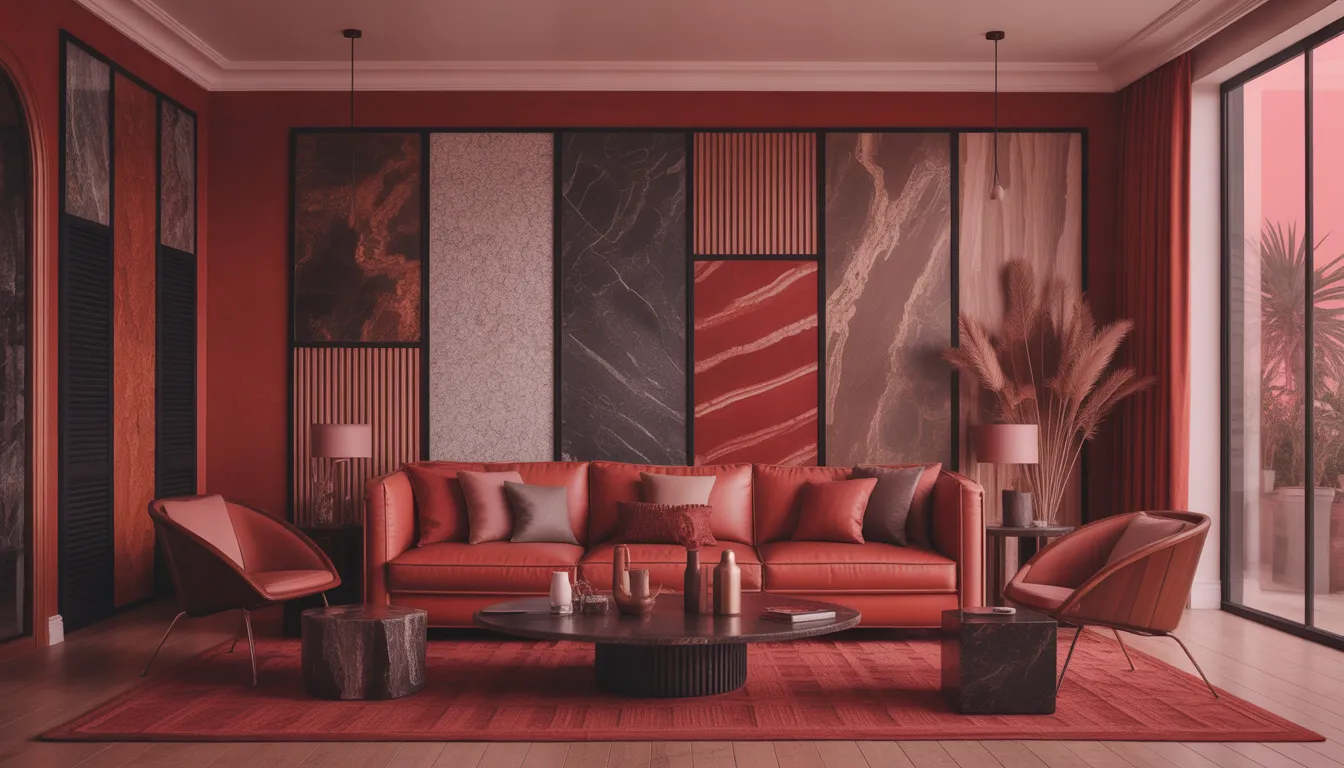
Eco-composite veneers can be found in offices, schools, and homes where earth-consciousness counts. Decorative veneer wall panels can transform an ordinary wall into a focal point. Wood, stone, or metal veneered panels add dimension and accent to a room.
Others incorporate marquetry or borders for an artistic feel, emphasizing the versatility of veneers.
Advanced Veneer Applications

Advanced veneer applications have exploded in both design and function, offering a wide variety of styles, feels, and sustainable worth. Approximately 0.5 millimeter thick slices of wood, known as standard veneers, are overlaid on a core. This technique allows veneers to flaunt deep hues and patterns while using less raw material.
The process frequently employs planing, layer reorganization, and angular cuts to highlight distinctive grain patterns and surface effects, such as those seen in rift cut veneers. These details are more than just aesthetics; the organic texture and aroma contribute to a much more haptic, multi-sensory experience in any room.
For furniture, advanced veneers enable the creation of custom pieces with striking patterns and transparent craftsmanship. A nicely selected veneer can transform a table, cabinet, or chair into a statement piece. More recent techniques, like asymmetrical veneering, allow designers to experiment with direction, grain, and shape, opening additional avenues to showcase the natural beauty of wood.
They can experiment with direction, grain, and shape. It opens additional avenues to highlight the natural beauty of wood.
Furniture Application | Veneer Technique | Example Use Case |
|---|---|---|
Dining tables | Bookmatching, asymmetrical | Mixed-grain tops |
Cabinet fronts | 3D reorganization | Textured, layered door panels |
Office desks | Planed and angular patterns | Contrasting inlays on surfaces |
Seating | Custom grain alignment | Armrests with flowing textures |
Extensive research demonstrates that people prefer to touch wood surfaces over plain or synthetic options. Moreover, veneers can be eco-friendly; for instance, wood-veneer-reinforced mycelium panels reduce waste and enhance sustainability, aligning with the principles of the veneer industry.
Overall, the ability to create innovative designs using quality veneers like those from Danzer Veneer not only elevates the aesthetic appeal but also promotes responsible manufacturing practices.
Installation Best Practices
Installation best practices Properly installing decorative veneers requires an attention to detail step-by-step process. Begin with an end-to-end checklist. Ensure the surface is firm, clean, and dry. Verify that the wall is up to local building code and has no damage.
For frame installations, apply two layers of WRB and include a weep screed along the bottom edge to assist in moisture egress. This process maintains the durability of the wall assembly and protects it from water damage, ensuring that the decorative hardwood veneers remain intact.
Lay down the metal lath that becomes the veneer’s base, acting as a skeleton for the building. Fasten the lath 6 inches apart, and overlap it 12 inches at vertical and horizontal laps, which is crucial for achieving a solid wood frame.
To ensure that the lath is properly secured, always wrap it around inside and outside corners, extending it about 40 cm past each corner to the next framing member. This arrangement prevents cracks and holds the veneer in suspension, providing a sound surface for installation.
Use a scratch coat of mortar approximately 13 to 19 mm (half to three-quarters of an inch) thick. This coat must establish a coarse surface so the veneer adheres properly. The last mortar layer on the wall has to be uniform and sufficiently thick to achieve a bond strength of 350 kPa (50 psi) or more, which is the minimum required by most building codes.
Use stone or tile adhesives instead, which increase both bond and lifespan. If you can, do a strength test to double-check that the bond holds firm.
Experienced labor is the secret to success. More than anything else, ensure your installers are trained in surface prep, mixing mortars, and handling veneers. Any of these can result in gaps, uneven joints, or weak bonds, especially when working with standard veneers.
Good training and practice avoid these common flaws and maintain the look crisp and the veneer tough.
Maintaining Veneer Luxury

Maintaining veneer luxury, such as standard veneers or decorative hardwood veneers, preserves its appearance and texture for years, ensuring that furniture or wall panels retain their lustre and worth.
About Maintaining Veneer Luxury
Sun can bleach or crack the finish, and too much water can cause warping or peeling. Position furniture in areas with consistent light and use shades or drapes as an additional protective measure.
Keep veneers luxury dust with a soft, dry cloth and wipe away stubborn spots with a slightly damp cloth. Choose mild, non-abrasive cleaners designed for wood. Steer clear of harsh chemicals or excessive water because they can damage the veneer’s delicate layer.
Establish checks and cleanings on a routine basis. Small cracks, lifting edges, or dull spots can appear over time. A polish every few months keeps veneers smooth and bright. Early fixes prevent small problems from escalating.
Educate users or clients around care. Demonstrate caring, what not to do, and how to detect premature wear. Simple measures, such as wiping spills immediately and employing coasters, assist in preserving the veneer’s finish.
Watch the room’s temperature. Employ humidifiers or dehumidifiers if necessary to keep consistent moisture and temperature. Such extreme swings can stress and crack the veneer, so consistent indoor air is a big help.
Veneers, matched for color or grain, can be arranged in multiple patterns for unique appearances. Its design coupled with artisan fitting delivers a timeless and seamless finish. With a few simple steps, their allure can endure for lifetimes.
Conclusion
Decorative veneers revitalizes any space. They look great in your home, shop, or studio. The beauty of veneers in Dubai interiors lies in their clean lines and rich color. They offer wood, stone, and metal veneers, so there are many to suit any taste. Some smart choices, good maintenance, and expert craftsmanship keep veneers going. They sharpen and polish with easy maintenance. Even busy rooms maintain their style with the perfect veneer. Blending styles, colors, or grains can make your room stand apart. Experiment with new styles or classic wood grains. Veneers open up new thoughts! For additional tips or assistance with your next veneer job, contact us and get professional guidance for your project.
Frequently Asked Questions
What are decorative veneers?
Decorative veneers, including standard veneers and rift cut veneers, are thin sheets of natural or engineered materials. They are used on surfaces such as furniture, walls, and doors to add a sense of beauty and design, providing the richness of solid wood at a fraction of the price.
How do I choose the right decorative veneer?
Think about the look you want, including the attributes of standard veneers, as well as durability and maintenance. Discuss with a design professional to align the veneer matching with your interior aesthetics and needs.
Are decorative veneers suitable for humid climates like Dubai?
Indeed, a lot of decorative hardwood veneers are humidity resistant. Opt for moisture-resistant or engineered veneers, such as standard veneers. Proper installation and maintenance matter in humid environments.
What materials are used beyond wood veneers?
The decorative veneers can be metal, stone, or environmentally friendly composites, offering a wide variety of textures and finishes beyond standard veneers for designers.
Can decorative veneers be used for curved or complex surfaces?
Free style veneer applications utilize a variety of standard veneers, allowing for seamless, contemporary appearances on curved, shaped, or irregular surfaces.
What are best practices for veneer installation?
Ensure the surfaces are clean and smooth, utilizing quality glues and adhering to manufacturer specifications for installing standard veneers professionally, ensuring a perfect and durable covering.
How can I maintain the luxury look of decorative veneers?
With regular dusting and careful cleaning, standard veneers can last a long time. Do not use abrasive chemicals or excessive moisture. Regular professional maintenance can help your decorative hardwood veneers last!