

Achieving Flawless Concrete Surface Finishes with Shuttering Plywood

- Key Takeaways
- Understanding the perfect concrete surface
- The pivotal role of shuttering plywood
- Why release agents are critical
- Advanced techniques for a flawless finish
- The science of surface analysis
- Repairing imperfections for crisp edges
- Conclusion
- Frequently Asked Questions
- What is surface texture in concrete construction?
- How does shuttering plywood impact concrete surface quality?
- Why are release agents important when pouring concrete?
- What techniques improve the surface finish of concrete?
- How is surface texture analyzed after concrete is set?
- Can imperfections in concrete surfaces be repaired?
- Does surface texture affect the durability of concrete structures?
Key Takeaways
- Achieving a flawless concrete surface requires careful attention to surface roughness, preparation techniques and material selection to ensure both durability and visual appeal.
- Good shuttering ply or plastic boards are important for making smooth concrete finishes and are reusable, moisture proof, form work.
- When applied correctly, release agents stop concrete from sticking to formwork, minimizing surface blemishes and resulting in a uniform finish.
- High-end finishing techniques such as polishing, troweling, sanding, and broom finishing assist in developing the surface texture sought and increasing or decreasing slip resistance for specific applications.
- Surface texture analysis and measurement are essential for meeting industry standards, supporting quality control, and ensuring long-term performance of concrete structures.
- Timely concrete repair and maintenance tackles flaws and preserves sharp edges, helping keep your finished work exceptional.
Surface texture refers to those minute, intricate shapes and characteristics present on a material’s surface. It includes characteristics such as roughness, waviness, lay and flaws, which can alter the surface’s appearance or tactile feel.
Surface texture is important in numerous applications, from making machines run more efficiently to increasing product durability. Certain sectors employ instruments and assays to verify and quantify texture.
The next sections discuss why surface texture is important and how it is measured.
Understanding the perfect concrete surface

A perfect concrete surface is about more than being flat and hard. It has distinct characteristics that serve both aesthetic and durability aspects.
Evenness: The surface should be level with no dips or bumps.
Consistent texture: Whether smooth-trowelled or textured, the feel should be the same across the whole area.
Right finish: The finish must fit the use. Use broom for sidewalks, polished for showrooms, or exposed aggregate for pool decks.
No cracks or pits: Flawless concrete has no breaks, holes, or loose bits.
Clean look: The surface should be free from stains and marks.
Surface roughness is important for more than just aesthetics. It makes stuff hold, including paints, sealers, and overlays. A rougher surface provides more friction and coatings adhere better. For walkways and pool decks, rough finishes such as broom or exposed aggregate reduce the chance of slipping, which is a critical factor in wet conditions.
Smooth finishes, although sleek, can get slick and are best for indoor applications. Texture alters the appearance and function of concrete. About: meeting the ideal concrete surface. Broom finishes impart lines for traction, which is appropriate for bustling sidewalks.
Polished concrete, where the surface is ground and buffed, provides a shiny, contemporary aesthetic. Decorative touches, such as stamped or salt finishes, infuse style into patios or facades. By the 20th century, more began to appreciate concrete for its aesthetic qualities, not just its strength.
Prep work is the foundation for a durable, beautiful surface. Tasks like cleaning, repairing cracks, and choosing the right equipment count. Prep you skip can lead to weak spots, stains, or premature wear. If you use the appropriate finish, such as a trowel, broom, or polish, it increases both the surface’s longevity and attractiveness.
The pivotal role of shuttering plywood

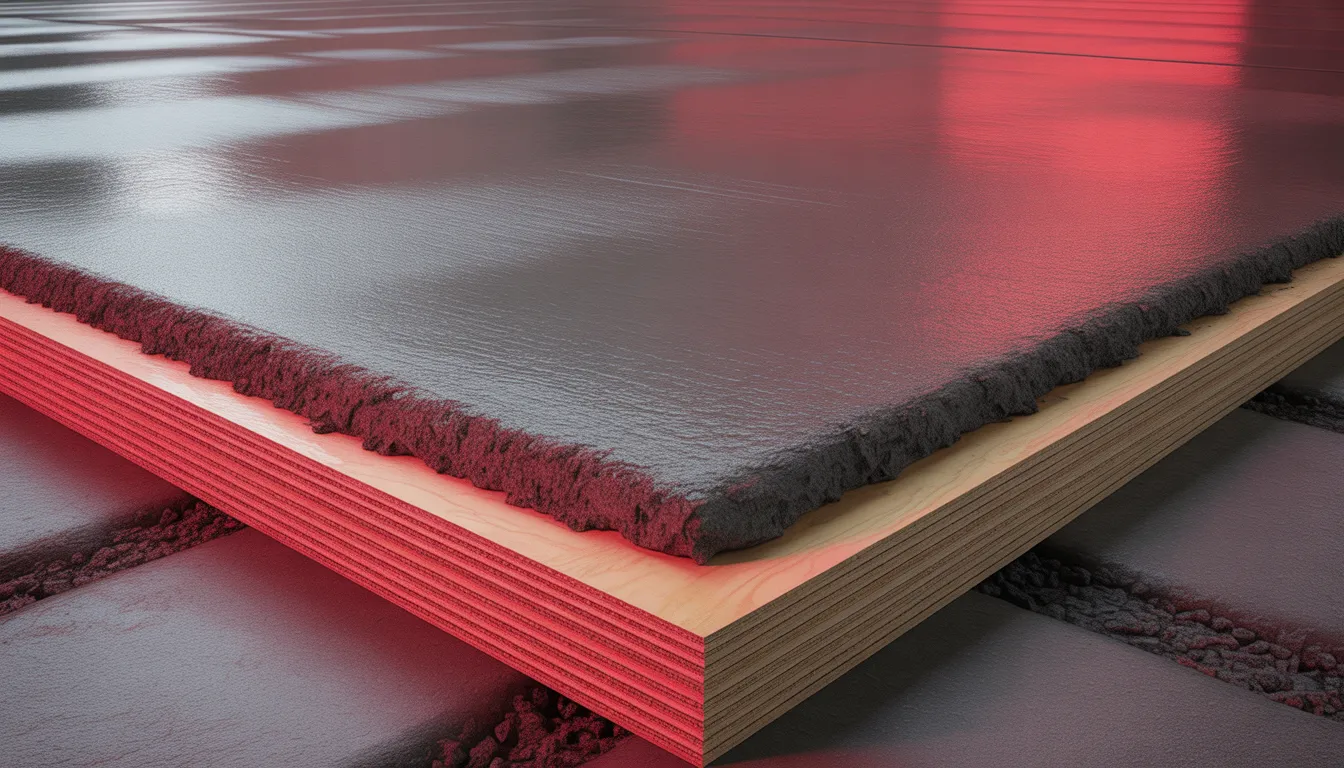
Shuttering plywood is a crucial element in contemporary concrete work. It defines the form and finish of cast concrete, so your selection of plywood is relevant to aesthetics as well as structural integrity. This shuttering plywood is commonly used in large projects like bridges, tunnels and highways as it is robust, dependable and reusable many times over.
The plywood serves as our mold, so its condition determines how smooth or rough the cured concrete will be.
Type of Plywood | Surface Finish Quality | Typical Uses | Key Features |
|---|---|---|---|
Film-faced plywood | Smooth | Slabs, columns, walls | Water-resistant, reusable |
Plain plywood | Rough | Temporary works, low-budget | Basic, less durable |
Plastic shutter boards | Very smooth | Repetitive pours, wet areas | High durability, moisture-proof |
Marine plywood | Smooth | Exposed concrete, bridges | Strong, moisture-resistant |
Quality boards provide a smooth, level surface and can handle significant weight. They vary in thickness, with 12mm to 21mm being typical. Thicker panels support more weight and have more longevity.
The ply film, such as 120g/m² phenolic films or higher, aids in preventing abrasion and water damage. This means that with a little care, the board can be utilized 20 to 25 times, a rather cost effective choice for repeat work.
Plastic shuttering boards are particularly notable for their resistance to water and chemicals. They don’t swell and break down as quickly as wood boards do. These boards are an excellent option where longevity and smooth finishes are required, particularly in areas with water or severe weather.
The key is shuttering plywood. With care, a quality board can last for 10 to 15 pours or more. That’s real savings and less downtime at the jobsite.
This reusability is what makes shuttering plywood a wise choice for projects that require a combination of speed and quality.
Why release agents are critical
Release agents prevent concrete and other materials from adhering to molds or shutters. They create a thin, non-stick barrier that assists artisans in gliding the completed work off without harm or undue labor. This step is important in many industries, but particularly in concrete construction and casting, where losing an hour to stuck goods or destroyed surfaces can represent thousands of dollars in lost hours and material.
Most people underestimate the importance of these agents to slick manufacturing and finish.
Release agents are of many types. Oil-based agents are great for uncomplicated casts and are easy to use, but they can discolor or interfere with the surface finish. PVA-based agents provide a stronger release film ideal for projects like molded concrete where the release agent may be subjected to abrasion during form removal.
Silicone-based agents are the best for the really hot jobs, as they stand up to extreme temperatures and can endure a lot of baking cycles before you have to reapply. Different types exist for different jobs, materials, and surfaces you desire.
If the incorrect release agent is chosen or applied improperly, a world of trouble can arise. These can manifest as surface discoloration, rough surfaces, air pockets, or voids that degrade the aesthetic and quality of the final piece. In certain situations, the incorrect agent can even react with the concrete or mold, leading to weak areas and discoloration.
The chemistry of a release agent makes a difference in how it performs, so matching the agent not only to the particular job but to the mold material is important.
To ensure proper application, follow these steps:
- Clean and dry the mold before applying the agent.
- Use a thin, even layer to cover all surfaces.
- Avoid pooling or thick spots, which can cause defects.
- Let the agent dry as needed before pouring material.
- Test a small area first when using a new type.
Advanced techniques for a flawless finish

Beautiful surface finish is about more than visual appeal. It can alter how something functions, wears, or even remains secure. Pros employ a combination of surface finishing techniques—mechanical, chemical, and thermal—to achieve a variety of objectives, from sleek, shiny aesthetics to gritty, slip-resistant coatings.
Cutting-edge tools, such as 3D scanners, assist in verifying that the surface is within stringent specifications. Arithmetic roughness (Ra) is one important figure for evaluating finish, but Rz and Rmax occasionally provide a better feel for peaks and valleys. ISO standards like ISO 1302, for instance, use surface texture symbols to establish unambiguous, common guidelines for surface roughness, waviness, and lay.
To get a glossy finish, you’ll need polishing methods and tools like concrete grinders and polishing pads. Use a concrete grinder to smooth out big flaws and polishing pads with high grit to bring out the shine. Automated robot tool-paths with dynamic force compliance can accelerate the process and increase precision by modulating pressure to achieve a consistent appearance.
Digital twin technology now enables teams to try out and adjust finishing steps in virtual reality, confirming the result aligns with the design before it ever hits reality.
Troweling is key to maintaining an even surface texture, particularly in concrete. Hand trowels or power trowels both work, but skill and timing do. A well-done trowel job prevents bumps and dips in the concrete, which is especially important for floors, driveways, or anywhere else water could pool and cause a hazard.
Sanding, particularly with high-grit sheets, has always been our go-to for fine-tuning. It’s crucial in woodworking, plastics, and metals. High-grit sandpaper, which includes 400 and above, irons out minor markings without gouging.
In tricky areas such as plastic mold tooling with zero draft angles, thoughtful sanding assists in achieving the appropriate finish.
Broom finishing is typical on concrete walkways outdoors for slip resistance and aesthetic appeal. Dragging a broom across wet concrete creates a textured design. This grip comes in handy for walkways, ramps, and pool decks.
For extra toughness, blasting or coatings can add hard extra layers or increase grip.
The science of surface analysis
It’s a study of the very thin layer where two phases interact: solid and liquid, or liquid and gas. In surface chemistry, the main focus is on two kinds of solids: one with a surface layer made by its environment and one with a separate layer put on for a reason. These layers can alter the behavior of concrete or other substrates.
Therefore, analyzing the surface is crucial for applications in areas such as concrete work, corrosion research, and materials design.
Surface texture parameters — roughness, waviness and lay — are used to determine whether a concrete finish is sufficient for project requirements. Roughness is the most common parameter as it describes how much the surface moves up and down. Waviness examines larger, more widely spaced surface deviations, whereas lay indicates the predominant direction of the surface texture.
These statistics allow construction workers, engineers and inspectors to determine whether a concrete slab is flat enough for its purpose.
Old and new methods for measuring surface texture Traditional techniques like visual inspection or tactile testing provide a cursory glance at the surface. Since the 1960s, more advanced methods have emerged, allowing us to obtain more specific information. State-of-the-art spectroscopic techniques can provide spatial distributions of the elements present at the surface and their chemical state.
There are four key modern methods, prevalent since the 1970s to 1980s, that apply ions, photons, or electrons to examine surface properties anywhere from 1 nanometer to 1000 nanometers deep.
Method | Best Use | Benefit |
|---|---|---|
Profilometry | Concrete, metals | Fast, easy, direct data |
Interferometry | Glass, optics, smooth surfaces | High resolution |
Atomic Force Microscopy | Nanomaterials, coatings | Nanoscale detail |
Examining roughness profiles aids teams in meeting industry standards and specs. It’s an essential ingredient in concrete quality control. They measure and track texture so teams can address issues before they become costly time sinks.
Repairing imperfections for crisp edges
Surface texture is a huge determining factor in how a finished product both looks and functions. Concrete, for instance, is notorious for having flaws such as air pockets, unevenly poured or patched areas, and form marks. These flaws arise for a variety of reasons. Air bubbles can become trapped in wet concrete if it is not properly mixed or poured.
If the surface is not flat or the forms move, you get uneven patches that grab attention. When these blemishes appear, patching and resurfacing are the typical methods to remedy them. Patching is filling minor openings with a complimentary mix. For larger blemishes, resurfacing is logical, applying a thin layer of new material on top of the old.
It’s crucial to clean and prep the area first so the new surface adheres. Working with the right tools, a steel trowel in my case, helps you achieve a crisp edge. Regular maintenance makes things stay good a lot longer. Cleaning, quick repairs, and sealing prevent flaws from continuing.
Prepping imperfections for sharp lines is important. Using tape or tools before surveying the surface often does more damage. When painting or marking, pulling tape at a 45 degree angle assists in keeping lines crisp. This nifty trick maintains the edge crispness and prevents peeling.
Tips for crisp edges during finishing:
- Ensure forms or tape adhere firmly to the substrate.
- Pull tape at a 45-degree angle to prevent damage.
- Check the surface for dust or oil before taping.
- Fix imperfections with a blade for crisp edges.
- Work in small sections to spot mistakes fast.
In digital work, introducing artificial imperfections gives surfaces a more realistic feel. Things like bump maps and normal maps provide the appearance of raised or rough areas but don’t actually alter the physical surface. Displacement maps add depth and disrupt repetitive patterns.
Roughness maps and curvature tools, sometimes called Dirt nodes, add marks that simulate age or wear. Mix textures and blend with mix nodes and noise for a real-world look.
Conclusion
Surface texture defines the appearance and feel of concrete. Quality plywood, clever application of release agents, and fresh finishing hacks all contribute to creating clean, crisp edges. Well-planned inspections catch defects early, so repairs remain small and manageable. A nice finish does more than look pretty. It maintains wear and tear to a minimum and preserves the concrete. Every step—prep, pour, check, and fix—makes a distinct impression on the look. For a clean, tidy surface, every piece matters. Curious or want to learn more about smooth finish tricks? Write to me or share your own tips with the gang. Open talk keeps everyone on their toes and learning.
Frequently Asked Questions
What is surface texture in concrete construction?
Surface texture, which refers to the smoothness or roughness of a concrete surface, significantly impacts aesthetics and longevity, as well as the surface finish parameters for coatings or finishes to adhere.
How does shuttering plywood impact concrete surface quality?
Shuttering plywood provides a surface finish that significantly influences the final surface quality of new concrete, aiding in achieving desired smooth or textured finishes as per specifications.
Why are release agents important when pouring concrete?
Release agents play a crucial role in ensuring a pristine surface finish by preventing concrete from adhering to molds or formwork. This not only minimizes surface irregularities during form stripping but also guarantees a beautiful final texture.
What techniques improve the surface finish of concrete?
Vibration, curing, and quality molds combine to create a perfect concrete surface finish, enhancing surface quality by eliminating air bubbles and ensuring a uniform consistency.
How is surface texture analyzed after concrete is set?
Surface texture, assessed through instruments like surface profilometers, ensures consistency and adherence to project requirements, while also considering roughness parameters for accurate surface metrology analysis.
Can imperfections in concrete surfaces be repaired?
Yes, crack or rough edges can be patched and surface ground back to achieve a smooth surface finish and sharp detail on the concrete!
Does surface texture affect the durability of concrete structures?
Of course, a carefully finished surface enhances surface quality, effectively combating weather, wear, and chemical attack. The right surface texture parameters also allow coatings and sealants to adhere, extending the structure’s lifespan.