
Top 5 Specialty Boards Every Contractor in Dubai Should Know About in 2025


- Key Takeaways
- Decoding Specialty Boards
- Essential Boards for Dubai
- Why Material Choice Matters
- The Selection Process
- Beyond the Spec Sheet
- Future-Proofing Your Projects
- Conclusion
- Frequently Asked Questions
- What are specialty boards?
- Why are specialty boards important for projects in Dubai?
- How does material choice affect specialty board performance?
- What should I consider when selecting specialty boards?
- Can specialty boards be used in both commercial and residential projects?
- How can I ensure my project is future-proof with specialty boards?
- What information should I check beyond the spec sheet?
Key Takeaways
- Specialty boards are essential for quality and compliance in all industries, particularly in construction where they maintain high standards through certification.
- You see, in Dubai, contractors need specialty board certifications to be able to work there and comply with local regulations and the UAE Contractors Association.
- Opting for certified materials like fire-rated or moisture-resistant boards boosts your project’s durability and safety and enhances client confidence, particularly in high-stress conditions.
- Specialty Boards In order to effectively select specialty boards, contractors and designers work together throughout the project to determine what is needed and pay special attention to compliance.
- Knowing how specialty boards will perform years down the road is incredibly valuable for all stakeholders who want to make an informed and ultimately cost effective decision.
- Keeping up with new materials, regulatory updates and best practices helps future-proof projects and forge strong industry partnerships.
Specialty boards are organizations that define standards and provide certifications for professionals in specific areas, usually in medicine or law. They ensure that individuals satisfy stringent competency and professional guidelines prior to receiving designations.
These specialty boards help establish norms for continuous learning and practices of excellence. Most professionals choose board certifications to enhance their talents and demonstrate confidence in their craft.
The following sections present how these boards operate in detail.
Decoding Specialty Boards
Specialty boards establish the standard for expertise in various domains. In medicine, these boards establish and maintain criteria for who may be board certified in a particular specialty, such as pediatrics or surgery. Their work is important as it maintains standards and enables people to trust the capabilities of certified professionals.
In industries such as construction, specialty boards aid in verifying that work adheres to appropriate codes and best practices. These boards verify that only capable individuals get certified, which promotes safety and maintains trust.
Certification from a specialty board is rigorous. For the majority of boards, you must provide evidence of your education, complete practical training, and overcome challenging tests. They aren’t uniform across all the boards. Some may require more or less training hours or different tests.
A board’s recognition status is important. If a board loses recognition, as did the American Board of Oral and Maxillofacial Radiology, certifications they issue may no longer be valid. For this reason, it’s crucial to verify a board’s status before starting on the journey. Organizations such as the ADA provide guides to verify accreditation and obtain current contact information, as they do for the American Board of Pediatric Dentistry.
In the construction world, specialty boards hold an important place:
- Set quality standards for building materials and practices.
- Make sure projects meet local and global codes.
- Assist employees and employers to demonstrate evidence of competencies and education.
- Approval checks reduce the risk of safety or legal issues.
Being certified by a reputable specialty board can enhance a firm’s prestige. It reassures clients that projects will comply with high standards and regulations. This can generate greater trust and more opportunities to work.
For both junior and experienced members, understanding the politics and prestige of specialty boards is crucial for professional advancement.
Essential Boards for Dubai

Specialty boards take center stage in Dubai’s construction and healthcare industries, defining safety, quality, and skill benchmarks. These boards ensure that both local and international professionals satisfy stringent regulations before they can operate in the city’s dynamic market, particularly in the medical specialty field.
Essential Certifications for Contractors
Contractors need to obtain mandatory certifications to satisfy legal requirements. Some such boards are: Dubai Municipality Building Permit, Trade License from Department of Economic Development, and Dubai Civil Defense Approval for fire safety. Additionally, the medical specialty board process changes are crucial for ensuring that healthcare professionals meet the latest standards.
For electrical and mechanical work, the DEWA and Dubai Central Lab issue their own permits. These are papers that indicate a contractor is qualified, insured, and licensed to work on jobs. Contractors have to carry current ISO certificates to demonstrate their quality management systems are at global standards, which is essential for maintaining compliance.
Role of Regulatory Bodies
The Dubai Municipality is at the forefront of establishing and controlling regulations for specialty boards. It collaborates with other authorities such as DEWA and the UAE Contractors Association to maintain standards and safeguard public safety.
These departments review documents, inspect locations, and conduct random audits to ensure all contractors remain in compliance with lawful and ethical standards. This oversight is vital for the integrity of the certification process.
Healthcare Sector: Oman Medical Specialty Board
Oman Medical Specialty Board (OMSB) is important for medical professionals intending to practice in Dubai. All physicians educated outside Oman must obtain OMSB equivalency through Primary Source Verification (PSV) that identifies fraudulent certificates, ensuring only qualified individuals are licensed.
It’s online and requires a signed letter, ID, degrees, and job verification. Once paid, it takes about 25 days. OMSB has relied on PSV since 2012 to maintain care standards and uphold the quality of medical care for patients.
Why Material Choice Matters

The choice of material for specialty boards shapes how well a project works and lasts, especially where safety is key. In healthcare, for example, a board’s makeup could block the spread of fire or stop mold from forming in wet spaces. Picking the right board keeps both people and buildings safe.
Some specialty boards, like fire-rated ones, slow down flames. Moisture-resistant boards hold up better in damp places like kitchens or bathrooms. These options cut the risk of costly repairs and make them a smart pick for tough jobs.
Material characteristics pretty much dictate how a board will deal with stress, heat, or even electric signals. For example, boards with the appropriate dielectric constant (Dk) and loss tangent (Df) stabilize signals in high-speed or RF applications. If you require boards for high-heat areas, such as by ovens or heavy machinery, thermal resistance is essential.
The wrong material could translate into more breakdowns and more expensive costs as time goes on. With so much choice, understanding the job’s requirements and the board’s constraints is essential. A bad match causes failures and downtime.
Certified materials give another layer of confidence. They adhere to international standards, making projects safer and more dependable. Here is why using certified materials matters:
- Meet strict safety and quality codes
- Lower risk of recall or failure
- Boost project reputation and trust
- Often have longer lifespans
- May help meet green building rules
For builders and designers, it’s clever to opt for boards that combine beauty, durability, and care for the planet. Smart picks, such as recycled or low-impact boards, trim waste and align with lots of design priorities without sacrificing durability or aesthetics.
The right board can save bucks, shred harder, and go farther while saving the planet.
The Selection Process
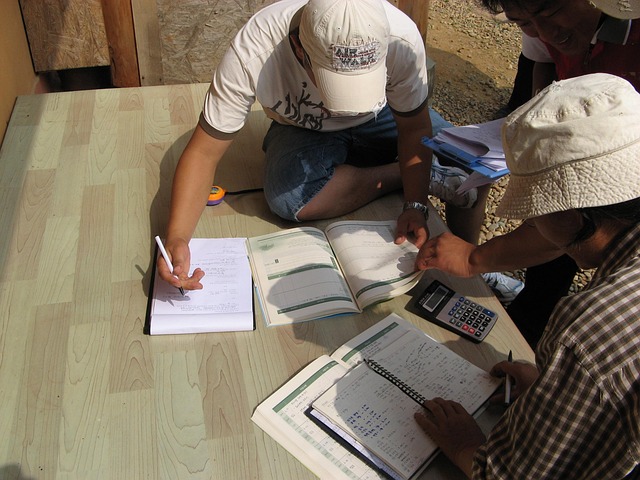
Choosing the right medical specialty boards begins with an inside glance at your project’s requirements. Start with the primary objectives, like fire resistance, sound control, or additional strength. Then, match these goals to the optimal type of board, such as gypsum for moisture-prone areas or cement boards for exterior use. Every project has different requirements, so good project specs prevent errors.
Dealing with both contractors and interior designers is crucial in this phase. Contractors know what works on-site, and designers focus on look and feel. When these teams communicate up front, they can coordinate what boards suit both the design and build. For instance, a designer may desire a sleek surface for painting while the contractor inspects if the board adheres to local building codes.
It’s imperative to look for certification requirements early on. A number of boards must adhere to rigorous standards for safety, quality, or power consumption. Certain boards will require a certificate that they passed certain examinations. For instance, fire-rated boards need to be able to prove they comply with fire-safety standards.
To board certify, you might need 3,000 hours of actual practice, plus a license in at least one jurisdiction. Usually, there are defined application and test dates; for example, submit application by May for a November test. Other areas implement written and oral exams or even simulations, with each phase separated to ensure fairness.
A solid checklist comes in handy about the selection process. Write out the project needs. Then match up each specialty board’s specs and certification. Verify the manufacturer’s paperwork for certification. Write down due dates for applications and record whether the process requires written or oral tests.
Be on the lookout for brief exam windows, sometimes only four weeks, and varying policies for each specialization.
Beyond the Spec Sheet
Sure it’s good to know the spec sheet for specialty boards, but it doesn’t tell the whole story. Beyond the spec sheet, real material performance is often all about how boards behave ‘in the muck.’ For instance, a specialty board may have impressive heat resistance numbers, but if it chips all over in a high-traffic clinic, that’s a significant issue. Stakes are high in medicine, especially when it comes to ensuring the highest standards of patient care.
Board-certified physicians demonstrate their ability by satisfying rigorous criteria, not simply holding the proper credential on paper. This board certification translates into superior patient care, as it links the know-how with the real work. Moreover, others argue that obtaining certification advances doctors’ careers as well, providing patients and peers with credibility and trust.
Selecting a specialty board extends beyond the initial price. Long-term issues, such as what care or money it’s going to require down the road, can significantly shift the value of a board. The table below shows the trade-offs, which can include considerations of medical specialties and their respective requirements.
Material Type | Upfront Cost | Maintenance Needs | Long-Term Cost Impact |
|---|---|---|---|
Standard Board | Low | High | Higher over time |
Specialty Board | Higher | Low | Lower with less upkeep |
Stakeholders should seek actual examples or case studies where specific boards have functioned effectively. This helps demonstrate what works beyond specs, particularly as the landscape shifts. For example, certain medical boards are now looking forward, not backward, as medicine evolves and specialties grow.
Board certification isn’t just for the old-school route. Even fellowship-trained individuals can get certified. In regions where ‘disaster health’ is developing, examining specialty boards’ in-crisis performance can help inform future selections and the certification process.
Collaborating with individuals who have deep field experience can assist. These professionals can offer guidance on material selections and what works in actual hospitals. It helps cultivate more effective collaboration among physicians, hospitals, and the broader community, ensuring that patient care takes precedence.
Future-Proofing Your Projects
Long-term project success with specialty boards requires a blend of strategic decision-making, education, and collaboration. Regular, hard-nosed review helps identify those gaps early, so your project stays on track and ahead of evolving regulations. Altering the way you review progress, like randomizing the check-in agenda, prevents important subjects from falling through the cracks and keeps the work novel.
Groups united by a single, well-defined purpose outperform ones that aren’t. This reduces infighting and ensures that everyone is rowing in the same direction. Trust within the group, regardless of where they originate from, leads to individuals exchanging ideas and taking ownership of their tasks. Boards might have to expand a little; an extra one or two people if project requirements evolve, so there are enough voices to make informed decisions.
Selecting resources that will withstand future demands and regulations is essential. This table shows how to pick the right ones:
Selection Strategy | What to Look For | Why It Matters | Example |
|---|---|---|---|
Regulatory Compliance | Meets current and future codes | Avoids costly updates later | Boards with low VOC emissions |
Long-Term Performance | Proven durability | Lasts longer, less upkeep | Moisture-resistant fiber cement boards |
Sustainability | Recycled or renewable sources | Reduces project footprint | FSC-certified wood boards |
Adaptability | Easy to upgrade or modify | Fits new tech or uses in the future | Modular composite panels |
Supporting innovative, top-performing materials gives projects a boost and helps align with worldwide green building benchmarks. Boards made with such products resist weather, require less maintenance, and adapt to evolving project requirements.
Being up to date requires training and education so everyone on the team is aware of emerging risks such as data and privacy issues. A lot of directors nowadays even request regular cyber security updates. Alliances with innovative providers ensure you receive cutting-edge components and help you stay ahead of the latest options as demands evolve.
Conclusion
Specialty boards influence everything from large urban constructions to minor enhancements, shaping how projects appear and function. Choosing the right board allows you to make your work quicker, safer, and more durable. Wood, gypsum, and cement each have obvious advantages in the appropriate place. Specialty boards in Dubai smart picks tackle tough regulations and brutal weather. Easy switches like a fire-safe core or waterproof face save time and money down the road. Want more smart board picks or to share a project story? Visit the resources or send us a question. Make work simple and solid with specialty boards.
Frequently Asked Questions
What are specialty boards?
Specialty boards, including those for medical specialties, are engineered panels designed to address specific needs such as moisture, fire resistance, or acoustics, enhancing construction safety and productivity.
Why are specialty boards important for projects in Dubai?
Dubai’s climate and building codes require materials that endure heat, moisture, and rigorous standards, while specialty boards ensure compliance and certification in relevant medical specialties.
How does material choice affect specialty board performance?
The correct material enhances quality, structural integrity, fireproofing, and moisture mitigating properties, ensuring the safety and longevity of medical specialties, ultimately improving patient care and reducing maintenance.
What should I consider when selecting specialty boards?
Just think about the project’s surroundings, safety regulations, and local codes, including the medical specialties involved in ensuring patient safety.
Can specialty boards be used in both commercial and residential projects?
Indeed, specialty boards, which include various medical specialties, are for both commercial and residential buildings. Their multi-purpose nature means that they can serve in capacities such as insulation, fire resistance, and architectural design adaptability.
How can I ensure my project is future-proof with specialty boards?
Choose medical specialty boards that embrace cutting-edge technologies and fulfill emerging standards, ensuring your project remains current and economical for long-term certification.
What information should I check beyond the spec sheet?
Seek certifications, including board certification and medical specialties, along with test results and manufacturer reputation. Field performance and non-affiliated reviews help validate that the certification process lives up to the hype in the real world.